

Why Does My Wood Burning Fireplace Produce Less Heat?
Nothing beats a wood fire that is roaring in the winter night. Many homeowners opt for wood fireplaces as the primary source of heating for their homes.
To ensure that fireplaces that burn wood are functioning properly, they require regular maintenance and clean. This includes regular chimney inspections and sweeps, and avoiding burning unseasoned or wet wood.
Efficient Heating
Wood burning fireplaces provide warmth and comfort to any home. Many homeowners are unsure why their fireplaces produce less heat than they would imagine. wood burning stoves ideas depends on a variety of factors, including the type and quantity of wood used in the fireplace as well as the method in which it is constructed.
To burn, wood must be combusted and generate energy in the form of hot gasses. Wood combustion is a complicated process that involves three phases: dehydration (drying out) gasification (gasification) and burning charcoal. During the first stage, the water in the wood dries out and the organic components in the wood begin to break down and produce flammable gases. These gases ignite and cause the wood to burn. This releases a great deal of heat. This heat is measured in British Thermal Units (BTUs) which is the amount of energy required to raise the temperature of a pound of water by one degree Fahrenheit.
Typically, open fireplaces draw a couple hundred cubic feet of air per minute through the chimney, bringing warm air in your home, along with the unwelcome byproducts of burning wood. This can decrease the overall heating capacity of your home and cause drafts. This issue can be cured by using a high-efficiency, wood burning fireplace that is EPA-certified.
To increase the amount of heat produced by your fireplace, it is important to choose the right kind of wood and build an appliance that lasts as long as possible. Wood that is mature or has been dried out burns more efficiently, and produces less smoke. Dry wood is easier to light and burns at higher temperatures which enhances the production of heat.
Keeping your home well insulated and making sure that all vents have been properly sealed will stop cold air from entering through these sources. In addition, the use of fans can be an effective way to distribute the heat produced by your fireplace throughout the home rather than sending it all the way up the chimney.
Environmentally Friendly
The sound of a wood fireplace's crackling, natural smell, and flickering fire create a warm and welcoming ambience. Many homes also appreciate a more traditional look with wood fireplaces. The fire itself is warm but it's the radiant heat from the smoldering ashes that makes a fireplace truly comfortable and enjoyable. Additionally the ashes are beneficial in fertilizing soil and gardens and also in decreasing toxic compounds like arsenic and lead.
A traditional wood stove has a minimal environmental impact, so long as the fuel is harvested sustainably and burned in an efficient fireplace. Unsustainable logging practices can lead to deforestation, causing ecological disruption and causing environmental issues. To ensure proper combustion and reduce emissions, the wood used in fireplaces should be properly cleaned and seasoned.
When it is burned, wet, rotten or rotten wood releases pollutants such as particulate matter and CO2. These pollutants are harmful to humans and can aggravate respiratory ailments, especially in those with health issues such as asthma. By requiring wood stoves that burn more efficiently, government regulations are aiding in improving the quality of air.
Modern stoves emit less carbon dioxide and other harmful gases in the atmosphere. This is accomplished by using different fuels, such as pellets from recycled wood that burn more efficiently than logs. These stoves are also fitted with catalytic combustors that also reduce emissions.
Gas fireplaces are an alternative. They make use of the electricity generated by fossil fuels that are derived from coal. They produce fewer greenhouse gasses than wood burning stoves. The combustion process produces Nitrous dioxides as well as other harmful pollutants, which could contribute to global warming and poor air quality.
Ask a professional for advice on fireplace installation and safety. This will ensure that your house is compliant with local building codes and that you are in compliance with safety rules. This can help prevent fire hazards and carbon dioxide poisoning. A professional can also provide advice on the best methods to use and maintain your fireplace to maximize its capacity to warm your home and reduce emissions. Specialized fireplace accessories like blowers and heat exchangers may assist in spreading warm air throughout the home.
Attractive to the eye
A fireplace with wood burning can transform the cold winter night into a warm and welcoming spot. It's not just a source of heat but creates an atmosphere that brings people together and encourages conversations and activities. The right fireplace will add to the unique style of your home, no matter if it's modern and sleek or traditional with intricate stone details.
The roaring flames, the occasional sparks of firework-like appearance, and the smell of wood like fir gives a fireplace an organic look that creates a warm and inviting ambience to any space. If you opt for a traditional open hearth fireplace, the addition of decorative elements and carefully chosen accessories can further enhance the aesthetic appeal of your home.
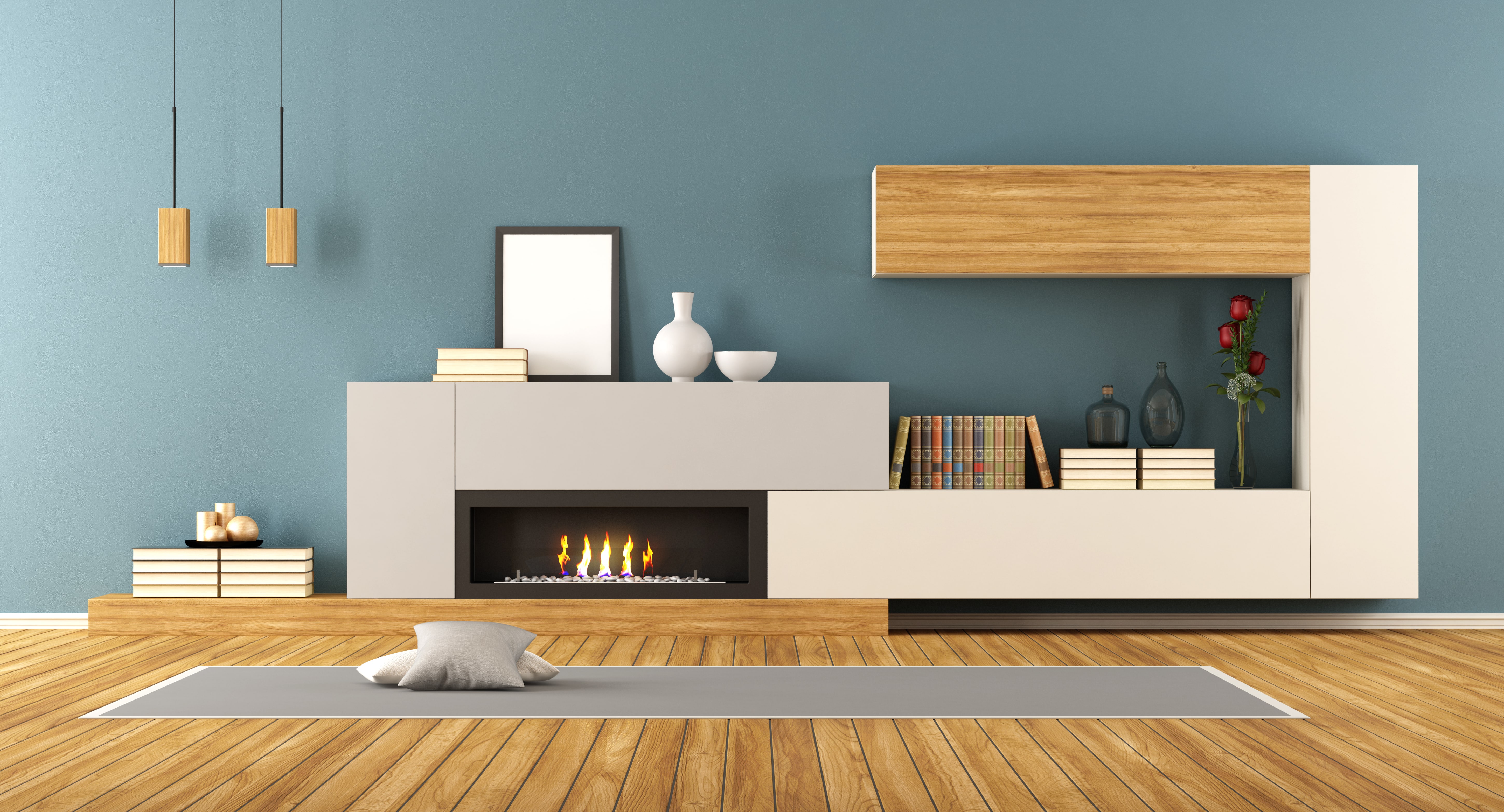
Wood fireplaces are beautiful and unique, however they require regular maintenance. This includes cleaning. It is essential to regularly clear out ash and make sure that the chimney isn't blocked or overloaded. If you're looking for a more low-maintenance option you might want to think about the gas fireplace.
As technology improves, consumers are increasingly looking for more efficient heating systems for their homes. Modern gas-powered fireplaces can provide many of the same advantages as a traditional wood-burning fireplace without the requirement for maintenance or reliance on flammable sources of fuel.
Electric fireplaces can be wired or plugged into an outlet, and come in a variety of designs. Some models can be wall-mounted and others are freestanding. They resemble real flames using LED lighting and speakers that emit crackling sounds. They're not the most efficient type of heat source, however they're a good alternative to a wood-burning fireplace or when you don't have enough space for traditional hearths.
It is crucial to make the right decision for your home. The fireplace you select will not only influence the way your living space will be utilized, but it could also impact the overall value of your property. Talk to a professional about the best choice.
Low Maintenance
Wood fireplaces can be the ideal choice for those who wish to reduce their dependence on fossil fuels. The wood can be bought locally and then harvested from local forests. It's also a more economical alternative to natural gas and heating oil. It is less pollutant-laden and also creates a clean atmosphere. However, it is important to select the most seasoned wood for your fireplace. Wood that is seasoned is less likely to create dangerous creosote.
It is essential to maintain your chimney system regularly to ensure that it is operating properly. A blocked chimney could release smoke, carbon monoxide and other harmful byproducts into the home. wood burning stove in conservatory must be cleaned once every year to remove the accumulated creosote and ash from the firebox flue, grate, and flue. It is a good idea also to clean the firebox regularly to keep it tidy.
A further benefit of a wood burning fireplace is that it provides backup heat in case there is a power failure. Having a stockpile of seasoned firewood allows you to keep warm your home for days at a time, without having to rely on a generator. This is a great method to cut down on your dependence on utilities and prepare for power outages that are caused by winter snowstorms or ice storms which damage tree branches and knock down the lower hanging wires.
Wood burning fireplaces can also add a a unique touch to any room thanks to their smoky fire. The smell and sound of a burning fire in a wood-burning fireplace can't be matched by other alternatives. It can make a space feel cozy and warm, and is perfect for hosting family and friends.
If you are considering the possibility of installing a wood fireplace in your home, our experts are able to discuss the benefits of this traditional heating source with you. Contact us today to get started!